
Macular Degeneration Tracking in Venice, FL: Schedule Before the Winter Peak

Macular Degeneration Tracking in Venice, FL: Schedule Before the Winter Peak

Macular Degeneration Tracking in Venice, FL: Schedule Before the Winter Peak

Macular Degeneration Tracking in Venice, FL: Schedule Before the Winter Peak

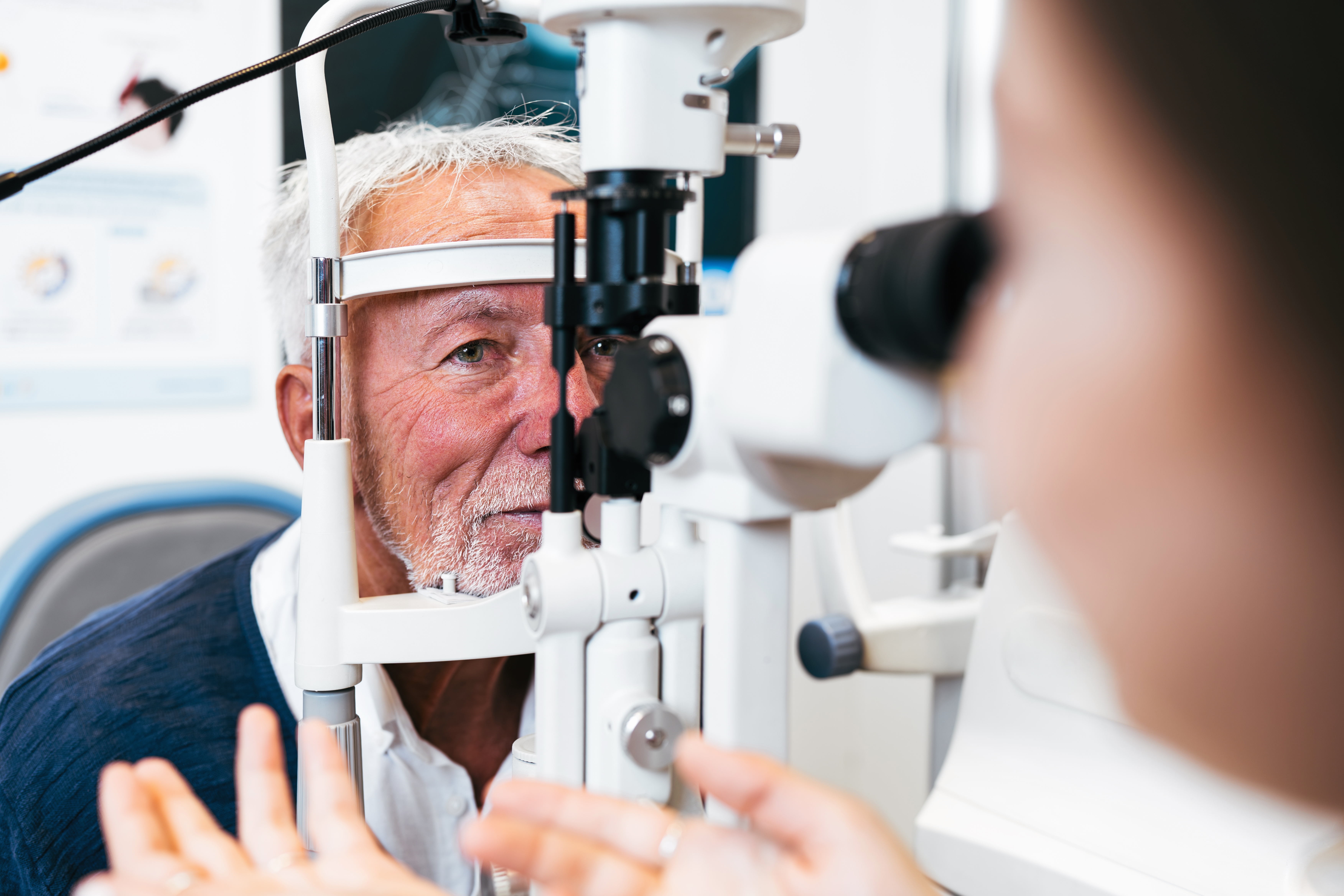
As seasonal residents return to Venice each fall, calendars quickly fill with appointments, family visits, and winter activities. For patients with age-related macular degeneration or other retinal concerns, autumn can also be a practical time to establish or update retinal imaging before the busiest winter months.
At Gulf Coast Retina Center, we provide specialized retinal care and advanced diagnostic imaging to help Venice patients monitor changes in the macula and other areas of the retina over time.
Why Is a Retinal Baseline Helpful?
A retinal baseline provides a documented picture of your eye health at a particular point in time. While not every patient needs the same imaging schedule, having previous images available can help a retina specialist identify meaningful changes during later examinations.
This is particularly useful with progressive retinal conditions. Instead of relying only on how your vision feels, your doctor can compare current imaging with earlier results to look for structural changes, fluid, or other findings that may require closer attention.
For snowbirds returning to Venice, establishing continuity of retinal care can also make seasonal transitions easier.
Why Macular Degeneration Requires Ongoing Monitoring
Age-related macular degeneration affects the macula, the central portion of the retina responsible for detailed vision used for reading, driving, and recognizing faces.
Dry AMD generally progresses more gradually. Wet AMD develops when abnormal blood vessels grow beneath the retina and leak fluid or blood, potentially causing faster changes in central vision.
Regular retinal examinations matter because some changes may be detected before they cause dramatic everyday symptoms. Depending on your condition, your retina specialist may recommend follow-up at specific intervals rather than waiting until your vision noticeably worsens.
What Imaging May Be Used?
Retinal specialists have several tools for evaluating macular degeneration and documenting changes. Depending on your individual needs, testing may include:
Optical coherence tomography, or OCT, to examine detailed retinal layers and detect fluid or structural changes
Optomap ultra-widefield imaging to document a broad view of the retina
Dilated retinal examination to directly evaluate the macula and surrounding retina
Fluorescein angiography when additional information about abnormal blood vessels or leakage is needed
Repeat imaging at appropriate intervals to compare current findings with earlier results
Not every test is necessary at every appointment. Your examination findings and retinal history help determine which imaging is appropriate.
Why Schedule Before the Winter Rush?
Venice becomes especially active as seasonal residents return to Southwest Florida. Scheduling a retinal evaluation during the fall can help you address overdue monitoring before holiday schedules and winter activities become crowded.
If you already have AMD, bring information about previous retinal care when possible, including recent imaging or treatment history. This can help your retina specialist understand how the condition has behaved over time.
Patients receiving injections or other ongoing retinal treatment should also maintain the schedule recommended by their retina specialist rather than delaying care because of seasonal travel.
Know the Symptoms That Should Not Wait
Routine tracking is important, but certain vision changes deserve prompt evaluation regardless of when your next appointment is scheduled.
A new dark or blurry area in the center of your vision, straight lines suddenly appearing wavy, or a rapid decline in central vision can be associated with wet AMD or another retinal problem.
Sudden flashes, a significant increase in floaters, or a curtain-like shadow also requires urgent same-day retinal evaluation because these symptoms may indicate a retinal tear or detachment.
For seasonal residents, knowing where you will receive retinal care while in Florida can help you respond quickly if an unexpected change occurs.
If you are returning to Venice for the season and need macular degeneration monitoring or updated retinal imaging, contact Gulf Coast Retina Center at 1580 Jacaranda Boulevard, Venice, FL by calling (941) 312-2769 to schedule a retinal evaluation with Dr. Oren Plous.

All Eye
Care Services

Keep
In Touch

contact information
office hours
- Monday:8:00 AM - 5:00 PM
- Tuesday:8:00 AM - 5:00 PM
- Wednesday:8:00 AM - 5:00 PM
- Thursday:8:00 AM - 5:00 PM
- Friday:8:00 AM - 5:00 PM
- Saturday:Closed
- Sunday:Closed
© 2026 Gulf Coast Retina Center. All Rights Reserved.
Powered by:
