
Managing Diabetic Retinopathy: Why Early Diagnostic Imaging Saves Your Sight

Managing Diabetic Retinopathy: Why Early Diagnostic Imaging Saves Your Sight

Managing Diabetic Retinopathy: Why Early Diagnostic Imaging Saves Your Sight

Managing Diabetic Retinopathy: Why Early Diagnostic Imaging Saves Your Sight

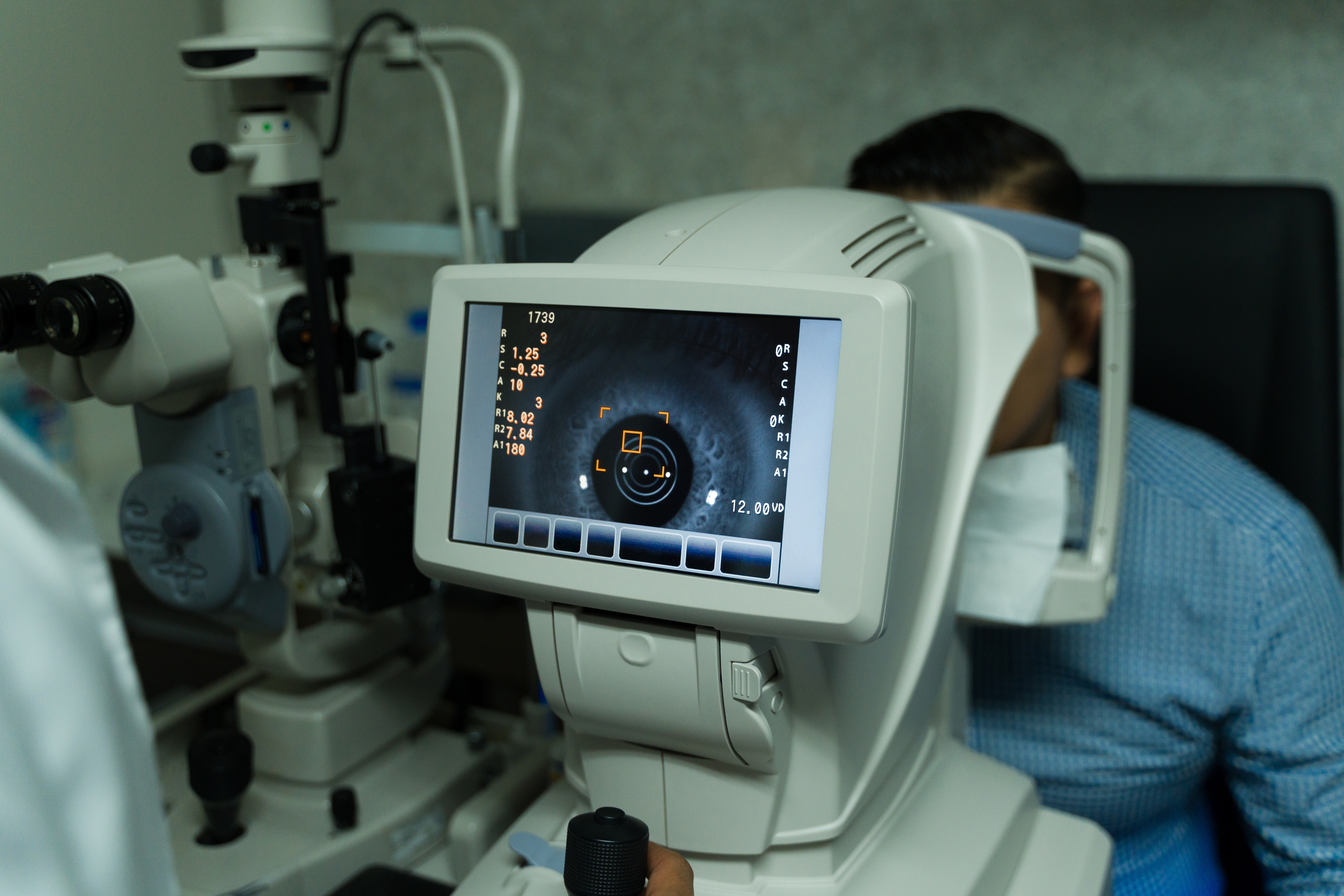
Diabetic retinopathy can develop quietly. You may still read clearly, drive comfortably, and notice no obvious changes while diabetes is already affecting the small blood vessels inside your retina. This is why waiting for symptoms is not the safest approach to protecting your vision.
At Gulf Coast Retina Center, we provide specialized diabetic retinopathy care for patients in Sarasota and Venice. Advanced retinal imaging allows us to examine changes that may be difficult to detect based on symptoms alone and monitor how the retina changes over time.
How Diabetes Affects the Retina
The retina is the light-sensitive tissue at the back of the eye. High blood sugar over time can damage its small blood vessels, causing them to weaken, leak fluid, or become blocked.
In more advanced diabetic retinopathy, abnormal new blood vessels may begin growing. These fragile vessels can bleed and contribute to scar tissue, retinal detachment, and significant vision loss.
Diabetic macular edema can also occur when leaking blood vessels cause fluid to accumulate in the macula, the part of the retina responsible for sharp central vision.
Why Early Diabetic Retinopathy Can Be Easy to Miss
One of the biggest concerns with diabetic eye disease is that early retinal damage may develop without noticeable vision changes. By the time blur, floaters, or missing areas of vision become obvious, the disease may already be more advanced.
Symptoms that can develop as diabetic retinopathy progresses include:
- Blurry or fluctuating vision
- Dark spots or new floaters
- Difficulty seeing clearly at night
- Areas of missing or distorted vision
- Sudden changes in visual clarity
- Significant vision loss in advanced cases
Regular retinal evaluations are important even when your eyesight seems normal.
How Advanced Diagnostic Imaging Helps
A dilated retinal examination allows a retina specialist to look carefully at the structures at the back of the eye. Advanced imaging can provide even more detailed information about retinal thickness, swelling, blood vessels, and changes within the macula.
Optical Coherence Tomography, or OCT, creates detailed cross-sectional images of the retina. These scans can reveal fluid accumulation, swelling, or structural changes that need monitoring.
Fluorescein angiography may also be used in certain retinal conditions to evaluate blood flow and identify areas of leakage or abnormal circulation. Together with a clinical retinal examination, these technologies can help determine how much damage is present and whether treatment should be considered.
Imaging Creates a Baseline for Future Comparison
One retinal scan provides valuable information, but repeated imaging can be especially useful for managing a progressive condition.
Your retina specialist can compare current images with previous results to determine whether swelling has increased, new abnormalities have developed, or treatment is helping stabilize the retina. For Sarasota and Venice patients with diabetes, this ongoing monitoring can help guide more informed decisions before major vision changes occur.
What Happens if Diabetic Retinopathy Is Detected?
Finding diabetic retinopathy does not automatically mean immediate treatment is required. Early cases may be monitored closely while patients continue managing blood sugar, blood pressure, cholesterol, and other health factors.
When the condition becomes more advanced, treatment may include intravitreal injections, laser-based therapy, or other retinal procedures depending on the type and severity of damage. The goal is to reduce complications and preserve as much vision as possible.
Timing matters because retinal damage that causes permanent vision loss cannot always be restored. Early diagnosis provides more opportunity to intervene before complications become severe.
If you have diabetes and want to stay ahead of retinal changes, schedule a diabetic retinopathy evaluation with Gulf Coast Retina Center at 1961 Floyd Street, Suite B, Sarasota, FL, or 1580 Jacaranda Boulevard, Venice, FL, and call (941) 312-2769 to protect your sight with specialized retinal care and advanced diagnostic imaging.

All Eye
Care Services

Keep
In Touch

contact information
office hours
- Monday:8:00 AM - 5:00 PM
- Tuesday:8:00 AM - 5:00 PM
- Wednesday:8:00 AM - 5:00 PM
- Thursday:8:00 AM - 5:00 PM
- Friday:8:00 AM - 5:00 PM
- Saturday:Closed
- Sunday:Closed
© 2026 Gulf Coast Retina Center. All Rights Reserved.
Powered by:
