
Optomap vs. Traditional Dilation: What Sarasota Patients Should Expect at a Retina Specialist

Optomap vs. Traditional Dilation: What Sarasota Patients Should Expect at a Retina Specialist

Optomap vs. Traditional Dilation: What Sarasota Patients Should Expect at a Retina Specialist

Optomap vs. Traditional Dilation: What Sarasota Patients Should Expect at a Retina Specialist

Optomap vs. Traditional Dilation: What Sarasota Patients Should Expect at a Retina Specialist
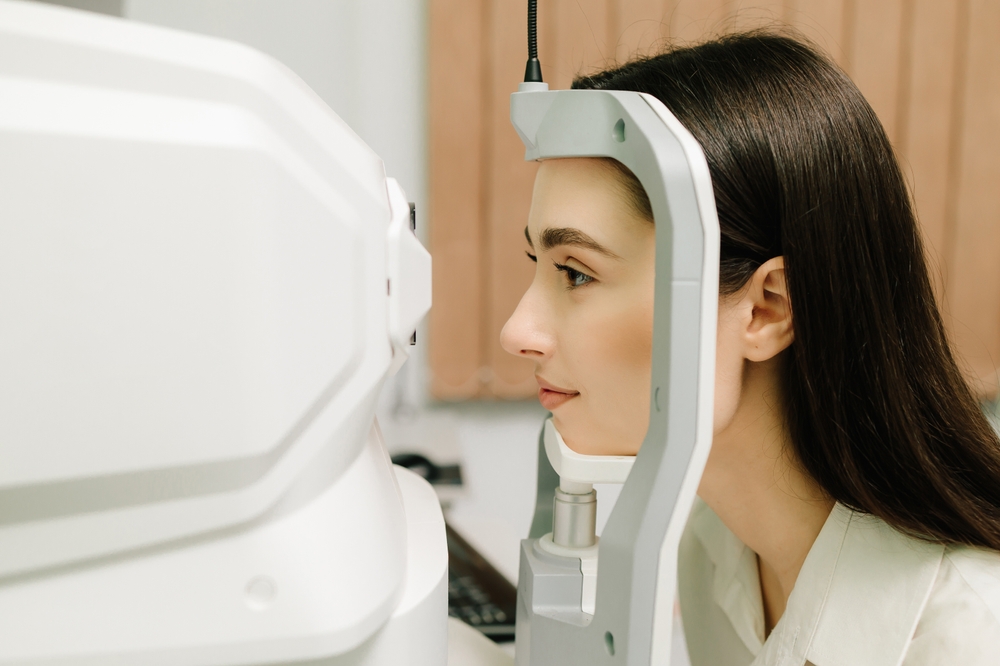
If you have had Optomap imaging before, you may wonder whether your eyes still need to be dilated at a retina appointment. These tools serve different purposes, and both may be part of your visit. At Gulf Coast Retina Center, we help Sarasota patients understand how retinal imaging and a dilated examination work together to evaluate the health of the back of the eye.
What Does Optomap Imaging Show?
Optomap is an ultra-widefield imaging system that captures a broad digital view of the retina, the light-sensitive tissue lining the back of your eye. Our retina specialist, Dr. Oren Plous, uses this technology to support retinal evaluations.
Image capture is quick and can often be performed without dilating drops. The digital images allow us to document findings, review details, and compare changes over time. However, a widefield image does not show every retinal detail or replace a complete clinical examination.
What Happens During Traditional Dilation?
We place drops in your eyes to widen your pupils, allowing a better view inside. The drops typically take about 20 to 30 minutes to work. Once your pupils are dilated, we use examination lights and lenses to assess your retina.
You may be asked to look in different directions during the exam. When checking for a retinal tear, we may also apply gentle pressure to the outside of the eye to help examine the far peripheral retina. This technique is called scleral depression.
Why You May Need Both
Optomap provides a digital record, while dilation allows us to examine retinal structures directly and investigate areas that need closer attention. Imaging alone cannot reliably rule out every retinal tear or other abnormality.
For Sarasota patients with new flashes, floaters, or suspected retinal disease, a thorough dilated examination is especially important. We choose the appropriate examination and testing based on your symptoms, medical history, and findings. Having an Optomap image taken does not mean you should expect to skip dilation.
How to Prepare for Your Retina Appointment
Planning for dilation can make your visit and the hours afterward easier:
Bring sunglasses to reduce discomfort from bright light after your exam.
Arrange for someone to drive you home because dilation can affect your vision.
Bring your medication list and any available referral information or previous eye records.
Tell us about new symptoms and any past reactions to dilating drops.
Blurry near vision and light sensitivity can last several hours, with recovery varying by person and the drops used. Allow flexibility in your schedule, particularly if your work involves reading or close visual tasks.
Symptoms That Should Not Wait
Sudden new flashes, a shower of floaters, a curtain or shadow across your vision, or sudden vision loss need immediate evaluation. Contact us right away or seek emergency eye care, even if recent retinal imaging appeared normal.
To schedule a retinal evaluation and learn what to expect at your visit, contact Gulf Coast Retina Center in Sarasota, FL, at (941) 312-2769.

All Eye
Care Services

Keep
In Touch

contact information
office hours
- Monday:8:00 AM - 5:00 PM
- Tuesday:8:00 AM - 5:00 PM
- Wednesday:8:00 AM - 5:00 PM
- Thursday:8:00 AM - 5:00 PM
- Friday:8:00 AM - 5:00 PM
- Saturday:Closed
- Sunday:Closed
© 2026 Gulf Coast Retina Center. All Rights Reserved.
Powered by:
