
Retinal Vein Occlusion Follow-Up: Questions About Swelling, Vision Changes, and Monitoring

Retinal Vein Occlusion Follow-Up: Questions About Swelling, Vision Changes, and Monitoring

Retinal Vein Occlusion Follow-Up: Questions About Swelling, Vision Changes, and Monitoring

Retinal Vein Occlusion Follow-Up: Questions About Swelling, Vision Changes, and Monitoring

Retinal Vein Occlusion Follow-Up: Questions About Swelling, Vision Changes, and Monitoring
If the words on your phone look clearer this week, does that mean the swelling in your retina has gone down? After a retinal vein occlusion, reading more easily can be an encouraging change. At our Venice and Sarasota offices, we compare what you notice at home with what we see on your retinal scans. That comparison helps us explain how your eye is doing and when we should see you again.
How Can We Tell Whether the Swelling Has Changed?
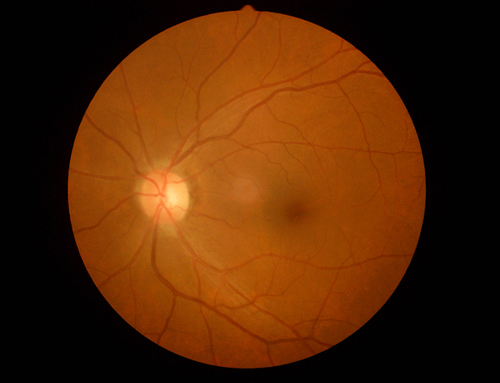
When a retinal vein is blocked, fluid can leak into the macula, the part of the retina you use to read and recognize faces. This swelling, called macular edema, can make print look blurry or straight lines appear wavy.
We can measure the swelling with optical coherence tomography (OCT), a scan that shows the layers of your retina. Ask us to show you today’s scan alongside your last one. We can point out where fluid has cleared, where it remains, or whether it has returned.
Why Is My Vision Still Blurry If There Is Less Fluid?
Swelling is one reason vision can stay blurry. The blockage can also reduce blood flow to the macula and affect how clearly you see, even after some fluid clears. Tell us which tasks are still difficult. For example, being able to read large headlines again while smaller print still looks distorted gives us more detail than saying your vision is “about the same.”
What Determines When I Should Come Back?
We consider which vein is blocked, how much of the retina is affected, and whether your vision or swelling has changed. We also look for complications such as fragile new blood vessels. If fluid returns or we see signs of reduced blood flow, we may recommend a closer check. If your findings stay stable, we may be able to space visits farther apart.
Before you leave, consider asking us these questions.
Which finding is most important to watch in my eye right now?
What would make you recommend an earlier visit or a change in treatment?
What should I share with my primary care clinician about blood pressure or other risk factors?
Which Vision Changes Need Urgent Care?
Call us promptly if you notice new blurring or distortion between visits. Sudden vision loss, new flashes of light, a shower of floaters, or a dark curtain across your vision needs immediate evaluation. If you cannot reach an eye doctor for immediate care, go to an emergency department.
To review your retinal scans and discuss a monitoring schedule for your eye, call Gulf Coast Retina Center at (941) 312-2769 to schedule your retinal vein occlusion follow-up in Venice or Sarasota, FL.

All Eye
Care Services

Keep
In Touch

contact information
office hours
- Monday:8:00 AM - 5:00 PM
- Tuesday:8:00 AM - 5:00 PM
- Wednesday:8:00 AM - 5:00 PM
- Thursday:8:00 AM - 5:00 PM
- Friday:8:00 AM - 5:00 PM
- Saturday:Closed
- Sunday:Closed
© 2026 Gulf Coast Retina Center. All Rights Reserved.
Powered by:
