
September Post-Storm Barometric Spikes: Recognizing Sudden Vitreous Traction and Retinal Tear Warning Signs in Sarasota County

September Post-Storm Barometric Spikes: Recognizing Sudden Vitreous Traction and Retinal Tear Warning Signs in Sarasota County

September Post-Storm Barometric Spikes: Recognizing Sudden Vitreous Traction and Retinal Tear Warning Signs in Sarasota County

September Post-Storm Barometric Spikes: Recognizing Sudden Vitreous Traction and Retinal Tear Warning Signs in Sarasota County

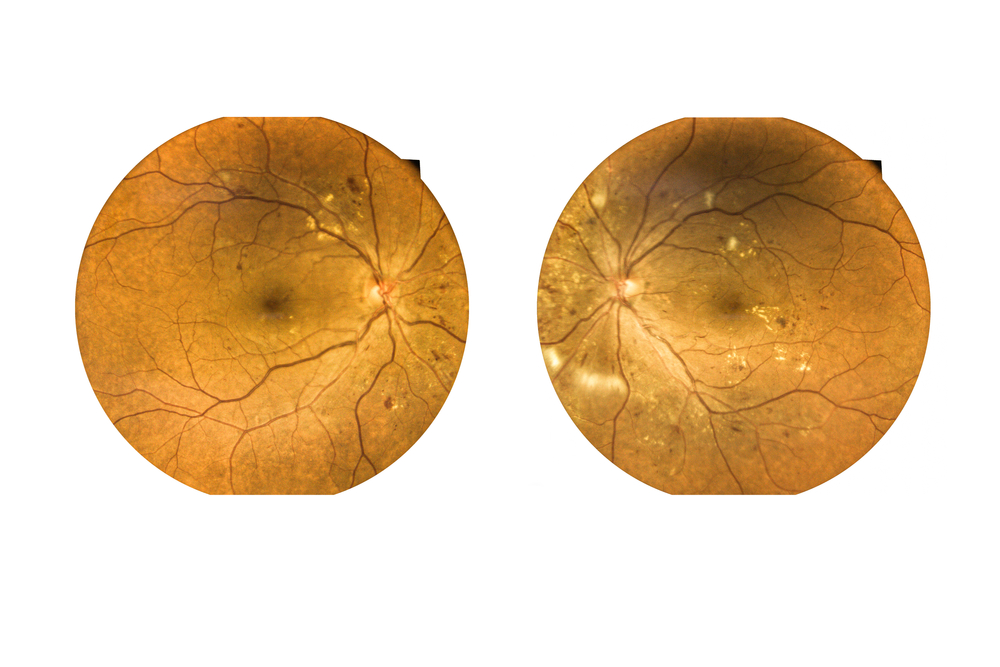
September in Sarasota County often brings tropical weather, storms, and noticeable shifts in atmospheric pressure. While barometric changes have been studied for possible associations with retinal conditions, they have not been proven to directly cause retinal tears. What matters most is recognizing sudden changes in your vision, especially symptoms that may indicate vitreous traction or a retinal tear.
At Gulf Coast Retina Center, we encourage patients throughout Sarasota County to take new flashes, floaters, or changes in peripheral vision seriously. Retinal problems can develop quickly, and prompt evaluation can help protect your sight.
What Is Vitreous Traction?
The vitreous is the clear, gel-like substance that fills the inside of the eye. As we age, it naturally becomes more liquid and may begin separating from the retina. During this process, the vitreous can pull on areas of the retina, creating vitreous traction.
This pulling can cause flashes of light. In some cases, the traction is strong enough to create a retinal tear. Fluid can then pass through the tear and collect beneath the retina, potentially resulting in a retinal detachment.
Although changes in weather may make patients more aware of health concerns after a major storm, sudden visual symptoms should never be assumed to be temporary or weather-related.
Retinal Tear Warning Signs You Should Not Ignore
A retinal tear often does not cause pain. Instead, patients may notice sudden visual changes. Contact an eye doctor promptly if you experience:
- A sudden increase in floaters or small spots moving through your vision
- New or frequent flashes of light
- A dark shadow appearing in your side vision
- A curtain or veil moving across part of your visual field
- Sudden blurred vision or loss of peripheral vision
These symptoms can indicate a retinal tear or retinal detachment and require timely medical attention.
Who May Have a Higher Risk of Retinal Tears?
Retinal tears can occur in anyone, but the risk increases with age as the vitreous naturally changes. People with significant nearsightedness, previous cataract surgery, a history of eye trauma, or a previous retinal tear or detachment may also face increased risk.
If you already have known retinal concerns, paying attention to sudden changes in your vision is particularly important during hurricane season and throughout the year.
How We Evaluate Sudden Flashes and Floaters
When patients visit our Sarasota retina practice with new flashes, floaters, or other concerning symptoms, we carefully examine the retina for signs of vitreous traction, retinal holes, tears, or detachment. A dilated retinal examination allows us to inspect the peripheral retina, where tears frequently develop.
When appropriate, we may also use advanced retinal imaging to better evaluate the vitreous and retina. If a retinal tear is detected before it progresses, treatment may be recommended to help reduce the risk of retinal detachment.
If you experience sudden flashes, new floaters, a shadow, or a curtain over your vision, contact Gulf Coast Retina Center in Sarasota, FL at (941) 312-2769 for prompt retinal evaluation.

All Eye
Care Services

Keep
In Touch

contact information
office hours
- Monday:8:00 AM - 5:00 PM
- Tuesday:8:00 AM - 5:00 PM
- Wednesday:8:00 AM - 5:00 PM
- Thursday:8:00 AM - 5:00 PM
- Friday:8:00 AM - 5:00 PM
- Saturday:Closed
- Sunday:Closed
© 2026 Gulf Coast Retina Center. All Rights Reserved.
Powered by:
